Mapping a global dialogue on inclusion.
Founded to reimagine museums as inclusive civic spaces, the Network has grown into a worldwide forum for research, policy, and practice.
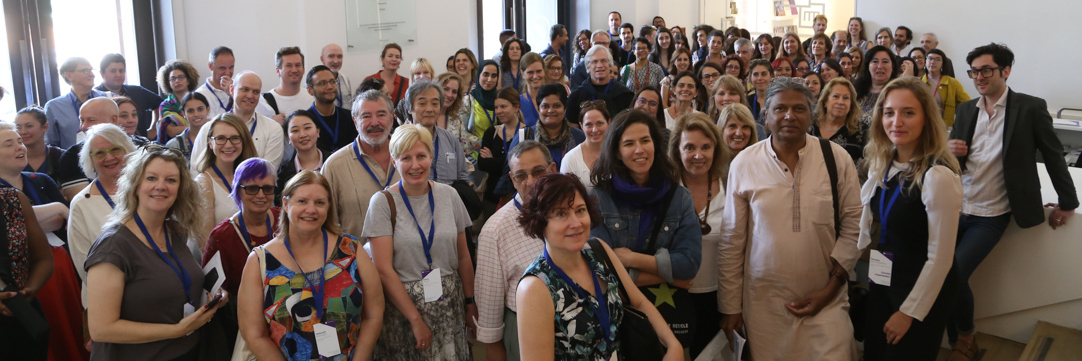
Reimagining museums as inclusive, participatory knowledge spaces.
The Inclusive Museum Research Network brings together museum professionals, scholars, and community partners to explore how collections, spaces, and stories become more inclusive. Member-based and scholar-led, the Network provides a global platform for advancing ethical stewardship, participatory practice, and cultural dialogue.
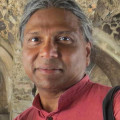
Founded in 2008 under the leadership of Amareswar Galla, the Inclusive Museum Research Network began as an international effort to rethink museums as civic spaces shaped with their communities rather than for them. Galla brought together UNESCO policy experience and field-based museum practice, setting a clear agenda: widen access, broaden participation, and rethink how collections, stories, and spaces reflect the diversity of their publics. From the start, the Network linked scholarship with on-the-ground change—using its annual conference, journal, and book imprint to support practical, ethical, and community-engaged museum work.
The International Conference on the Inclusive Museum has been hosted by institutions around the world, each expanding the Network’s conversations about heritage, representation, and community engagement. Meetings have taken place at the National Museum of Ethnology, Leiden (Netherlands); the University of Queensland, Brisbane (Australia); Yildiz Technical University, Istanbul (Turkey); the University of the Witwatersrand, Johannesburg (South Africa); the University of the West Indies, Cave Hill (Barbados); the National Gallery of Denmark, Copenhagen (Denmark); the Autry National Center, Los Angeles (USA); the National Science Museum, New Delhi (India); the National Underground Railroad Freedom Center, Cincinnati (USA); Manchester Museum (UK); the University of Granada (Spain); MUNTREF—Museum of Immigration, Buenos Aires (Argentina); the Museum of Lisbon (Portugal, virtual 2020–21); Moore College of Art & Design, Philadelphia (USA); MuseumsQuartier, Vienna (Austria); and Universidad San Jorge, Zaragoza (Spain).
Plenary speakers have included leading voices such as Alissandra Cummins, W. Richard West, Jr., Hans-Martin Hinz, Sonwabile Mancotywa, Lonnie G. Bunch III, and Elizabeth Silkes, whose perspectives span national museum leadership, international governance, Indigenous representation, cultural rights, and community-based memory work. Their contributions underscore the Network’s commitment to inclusive practice grounded in ethics, shared authority, and cultural dialogue.
The Network’s publishing ecosystem centers on The International Journal of the Inclusive Museum, a Hybrid Open Access journal founded in 2008. It publishes work on curatorship, community partnerships, cultural policy, digital engagement, representation, and inclusive pedagogies—examining how museums can broaden access, cultivate participation, and rethink knowledge-making in a digital, diverse world. The journal is indexed in Scopus, Web of Science ESCI, EBSCO, ProQuest, and other major services.
Each year, the Inclusive Museum International Award for Excellence recognizes one article selected from the ten highest-ranked peer-reviewed papers. Recent award-winning research has explored topics such as gift economy frameworks in museum education, dementia and heritage, collections from psychiatric institutions, Indigenous representation, digital co-creation, and the politics of access and digitization in South Africa and Canada. The award includes Open Access publication and an invitation to speak at the subsequent conference.
Long-form scholarship is supported by the Inclusive Museum Book Imprint, which publishes monographs and edited collections documenting inclusive curatorial methods, community collaborations, museum transformations, and case studies from around the world. These books connect theory to practice and support museums working toward more equitable forms of stewardship and engagement.
Today, the Inclusive Museum Research Network continues to bring together museum professionals, scholars, and community partners to rethink the roles museums play in public life. Through its global conference, peer-reviewed publications, and year-round CGScholar community, the Network provides a member-based, scholar-led space for experimenting with new models of access, representation, and participation—supporting museums as inclusive, dialogic, and socially engaged institutions.
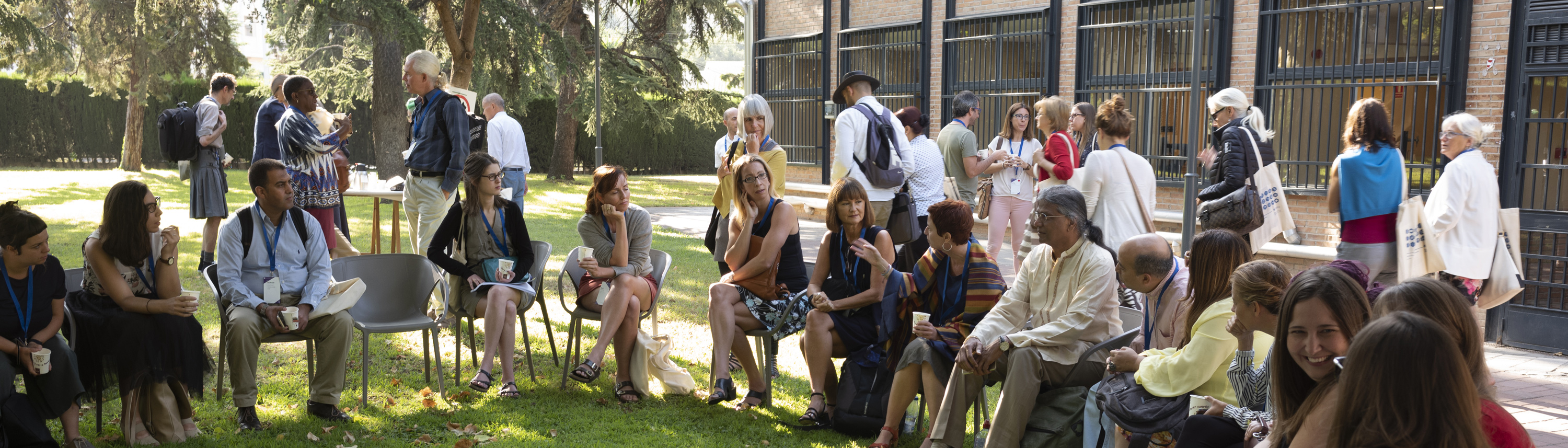
The International Conference on the Inclusive Museum has a rich history of featuring leading and emerging voices from the field, including:
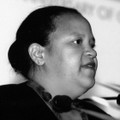
Director, Barbados Museum and Historical Society, Bridgetown, Barbados
(2008, 2009, 2010, 2012)
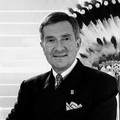
Founding Director, Smithsonian National Museum of the American Indian, Washington, D.C., USA
(2008)

President, The International Council of Museums, Paris, France
(2009, 2010, 2013)

CEO, National Heritage Council of South Africa, Pretoria, South Africa
(2010)

Founding Director, Smithsonian's National Museum of African American History & Culture, Washington, D.C., USA
(2012)

Executive Director, International Coalition of Sites of Conscience, New York, USA
(2013)
The Inclusive Museum Research Network has had the pleasure of working with the following organizations: